

One of the featured pictures below is a sunflower from 2015, something I planted with my own hands, and it grew taller than me (not difficult), even taller than my garden fence (more difficult). Of course, I have to mention my wife Chris because she does infinitely more gardening than I do, and she would have nurtured the sunflower from start to finish after I planted it. Nonetheless, I still felt a remarkably close association with the outcome! It made me happy just to look at it!
My most liked Facebook posts in 2020 (the year of COVID) related to plant and forest pictures and there is a reason flowers proved to be more popular than my other posts. Flowers, particularly with vibrant colour, stimulate our happiness hormones, including serotonin. I guess people felt anxious due to covid and looking at the pictures made them feel happier.
Serotonin has a bad press in the Neuroendocrine Cancer world, but it’s a really important hormone for everyone. The most common functional NETs can sometimes oversecrete this hormone but that is a totally different effect because the happiness effect above comes from brain serotonin which is separate from the peripheral serotonin issues we know about where oversecreting NETs live. Moreover, every human being needs brain serotonin for normal function (including NET patients) and several other neurotransmitters; and they need them for many purposes. The others include Dopamine, Endorphins and Oxytocin
So, what’s the connection? When reading the 3 paragraphs below, remember, I’m talking about brain hormones, not the stuff NETs secrete – that’s a 99.999% different issue. Very rare overlaps are explained in my other blog linked below.
Dopamine is triggered by the expectation of a reward. Flowers were a huge reward signal in the world our brain evolved in because they marked the coming of abundance after a hungry winter. Today we have enough to eat all year round so we don’t consciously link flowers with food. But the blossoming of a flower triggers the sense that something special is coming because it triggers dopamine. But bright colours in general seem to increase the special nature of flowers because they send out signals, even including nutritional value and feeling happier via the chemistry.
Endorphins are chemicals (hormones) your body releases when it feels pain or stress. They’re released during pleasurable activities such as exercise, massage, eating and sex too. Endorphins help relieve pain, reduce stress and improve your sense of well-being. Endorphins are created in your pituitary gland and hypothalamus, both located in the brain. Endorphins are a type of neurotransmitter, or messenger in your body. They attach to your brain’s reward centres (opioid receptors) and carry signals across your nervous system.
Oxytocin – This chemical is often called the “bonding hormone.” Oxytocin creates a nice feeling of social trust, whether romantic love, maternal attachment, or group solidarity. We all know how hard this feeling is to find, and how easily it can be lost. That’s why we’re so eager for ways to stimulate it. Flowers help here too because they convey a certain respect for both fragility and the care and attention needed to grow and sustain something.
Serotonin – last but not least. This chemical is often mentioned in the context of depression if levels are low, often treated by antidepressants, but research indicates that it’s also involved in a sense of pride that is not only involved in growing your own flowers but also in buying and receiving them, not forgetting admiring them from a distance (including in photographs), Flowers are known to stimulate the sense of pride that your brain is looking for. If you fail to stimulate your brain serotonin, you can feel bad.

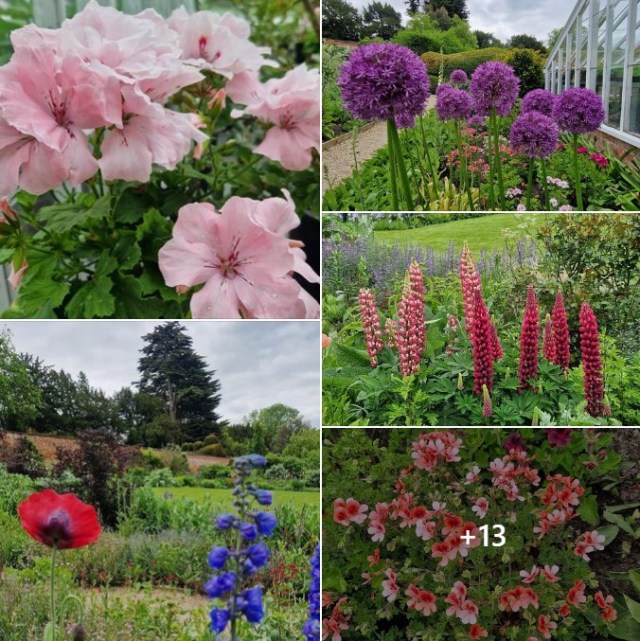
With that in mind, here’s a selection of flower photos (plus one or two other colour-associated themes) which proved to be quite popular on my Facebook page in 2020 (so far).



Serotonin – The NET Effect
For a more technical overview of Serotonin and Neuroendocrine Cancer – read my comprehensive overview – click here. Includes a link to brain serotonin.

Disclaimer
I am not a doctor or any form of medical professional, practitioner or counsellor. None of the information on my website, or linked to my website(s), or conveyed by me on any social media or presentation, should be interpreted as medical advice given or advised by me.
Neither should any post or comment made by a follower or member of my private group be assumed to be medical advice, even if that person is a healthcare professional.
Please also note that mention of a clinical service, trial/study or therapy does not constitute an endorsement of that service, trial/study or therapy by Ronny Allan, the information is provided for education and awareness purposes and/or related to Ronny Allan’s own patient experience. This element of the disclaimer includes any complementary medicine, non-prescription over the counter drugs and supplements such as vitamins and minerals.
Click here and answer all questions to join my private Facebook group
Thanks for reading.
Ronny
Check out my WEGO Health Awards

Check out my Glossary of Terms – click here

Please Share this post for Neuroendocrine Cancer awareness and to help another patient
 The Classification, Grading and Staging of Neuroendocrine Neoplasms (incorporating WHO 2026 classification changes)March 11, 2024Patient Advocacy

 6 things you should never say to someone diagnosed with a Neuroendocrine Tumour (NET)October 22, 2024Living with Neuroendocrine Cancer


Please Share this post for Neuroendocrine Cancer awareness and to help another patient

Discover more from Ronny Allan - Living with Neuroendocrine Cancer
Subscribe to get the latest posts sent to your email.


